
Day one
Hand-picking trainees
We meet young people where they are, listen to their circumstances and personally select those most in need of a new path.
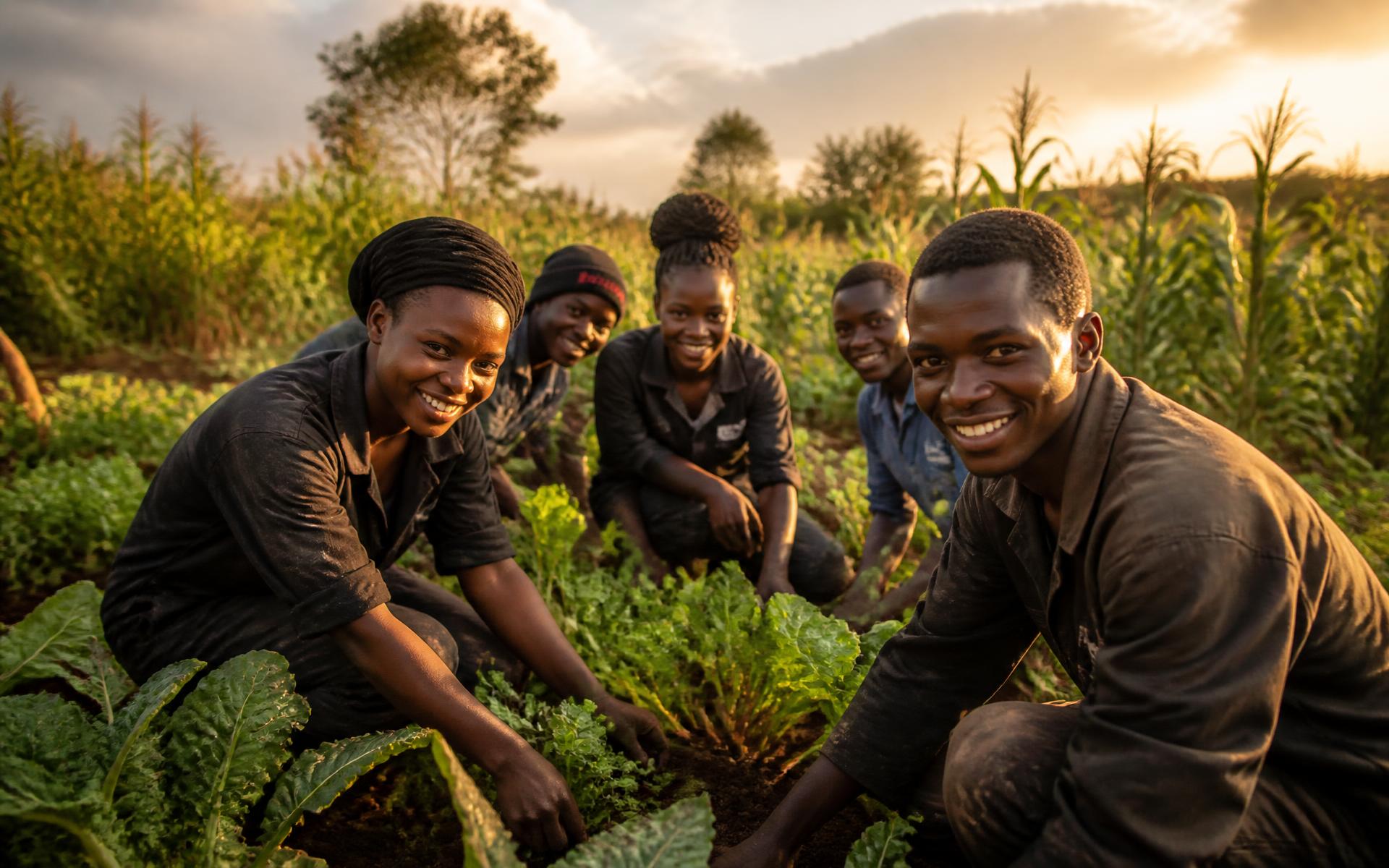
We bring hope to young, energetic street youths from different parts of Kenya through skilled training in farming — real knowledge that opens the door to legitimate money and a positive livelihood.
Young Street Farmers began with what we saw with our own eyes: young, energetic men and women living on the streets of Kenya — full of strength and potential, yet pulled toward drug abuse, illegal business and petty crime simply because no door was open to them. We believed a seed, a piece of land and someone who cares could change that story.
So we started this forum. Not with applications or paperwork — we went to the streets and hand-picked the youths whose struggles we knew, offering them free, practical farming training. What began as a simple act of faith has grown into a three-month programme, a twice-yearly mega project, and a growing family of graduates now running their own farming businesses across the country.
To this day, every part of Young Street Farmers runs on the kindness of well-wishers and partners who believe, as we do, that this work can bring light to lost souls — one young person, one harvest, one new beginning at a time.
Young Street Farmers is a forum that reaches young people living on the streets of Kenya — youth full of energy, but without a path. Through hands-on farming training, they gain the basic knowledge to earn legitimate money and build a positive livelihood.
This kind of exercise pulls young people away from drug abuse, illegal business, and petty crime — and plants something better in its place.
3 months
of free, full-time skilled training
100% free
trainees never pay a shilling
Hand-picked
we find youth where they are
1 goal
a legitimate, hopeful livelihood
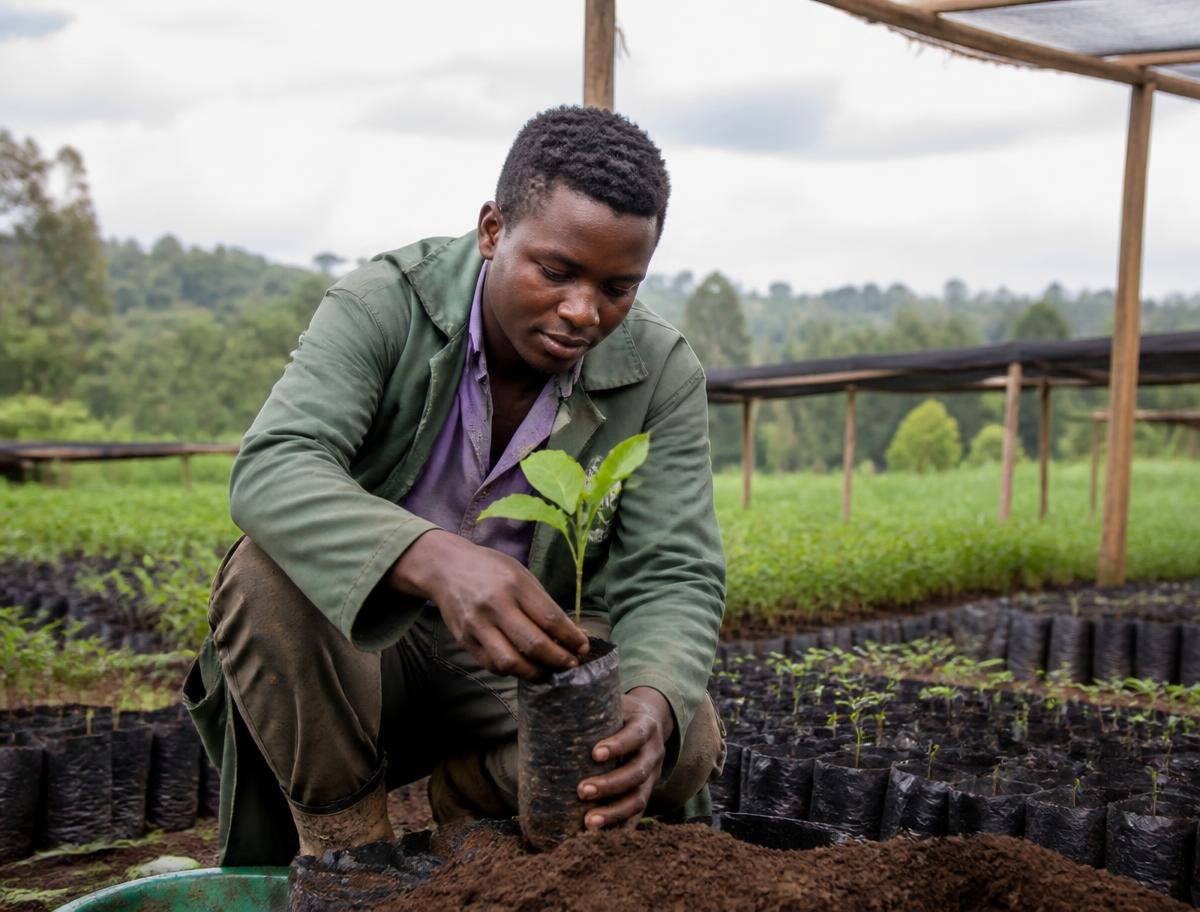
We don't take applications. We walk the streets and communities, and we select young people based on the struggles we see in their backgrounds.
Trainees learn the basics of farming hands-on — preparing land, planting, tending, and harvesting — gaining real skills they can stand on.
After the program, trainees go out to better their lives using the skills they acquired — earning legitimately and living positively.
Donors can support one need, contribute part of the cost, or sponsor a trainee’s full journey.
Any amount is welcome. Final costs can vary slightly with season and location.
Day one
We meet young people where they are, listen to their circumstances and personally select those most in need of a new path.
Month one
Trainees learn soil preparation, seed selection, nursery work and careful planting through daily hands-on practice.
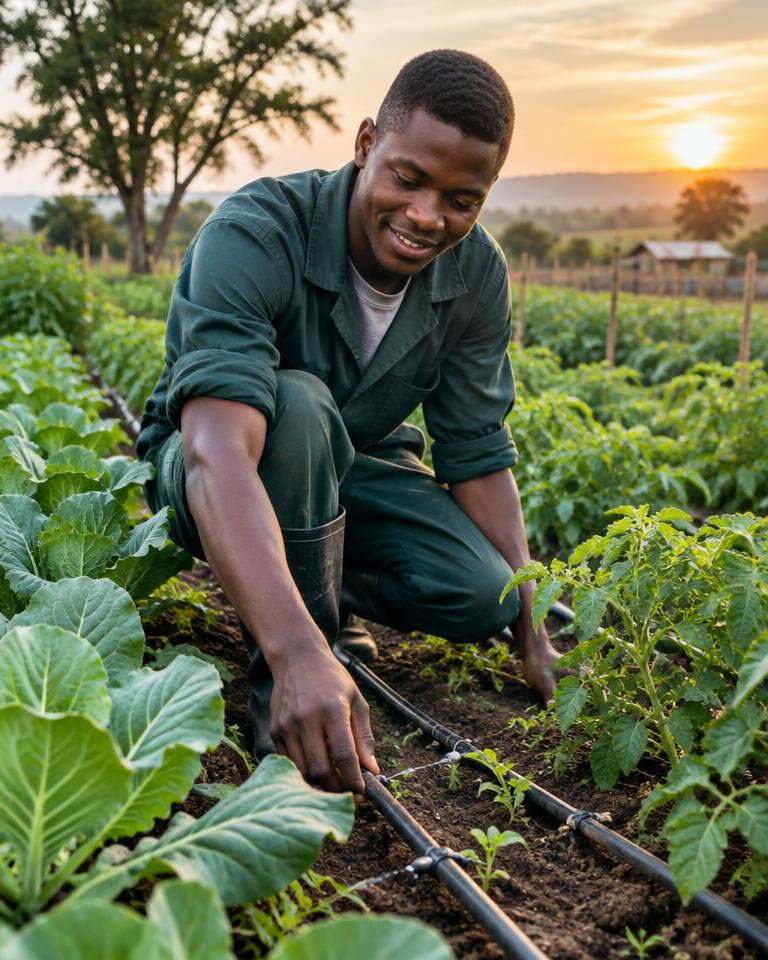
Month two
The group waters, weeds, feeds and protects the crops while learning discipline, teamwork and basic farm management.
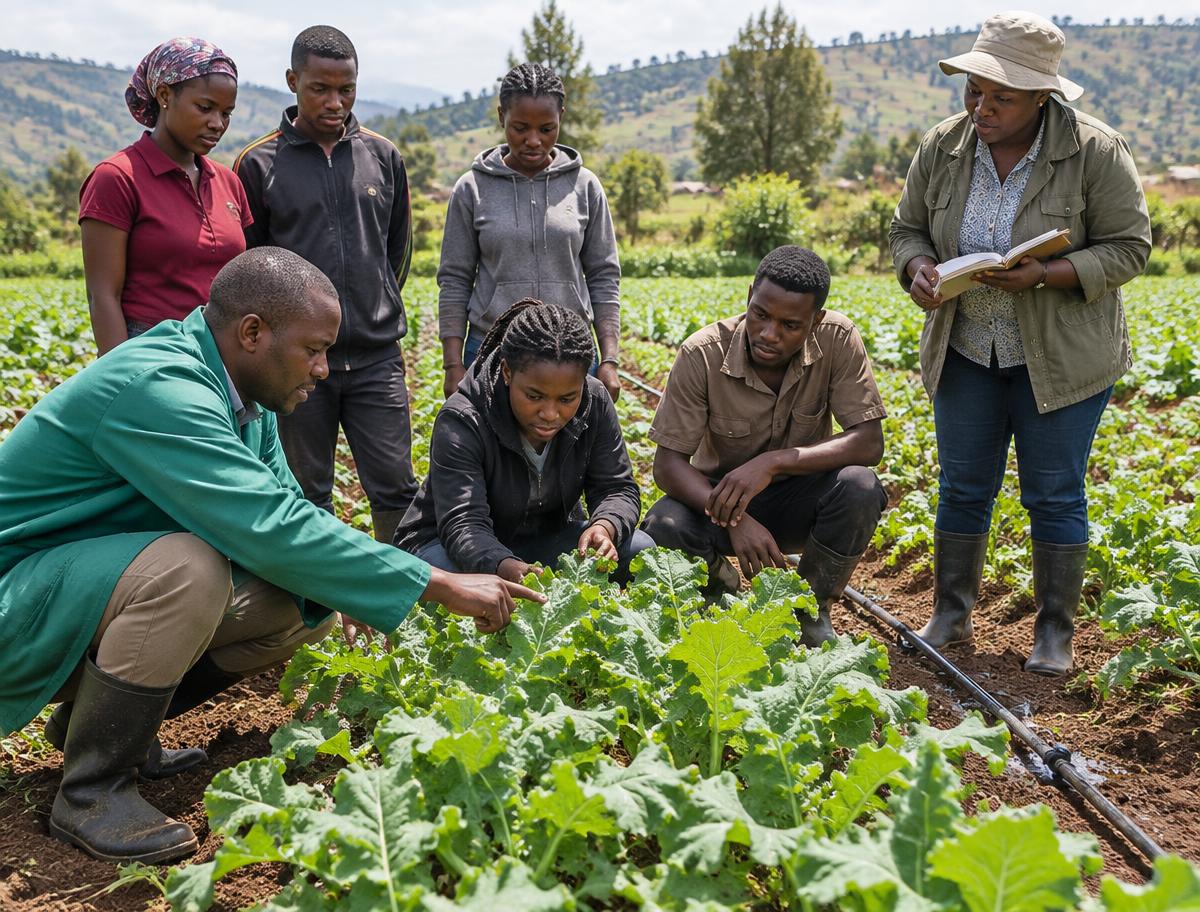
Field training
Experienced farming experts demonstrate practical methods in the field, answer questions and guide trainees as they care for the crops themselves.
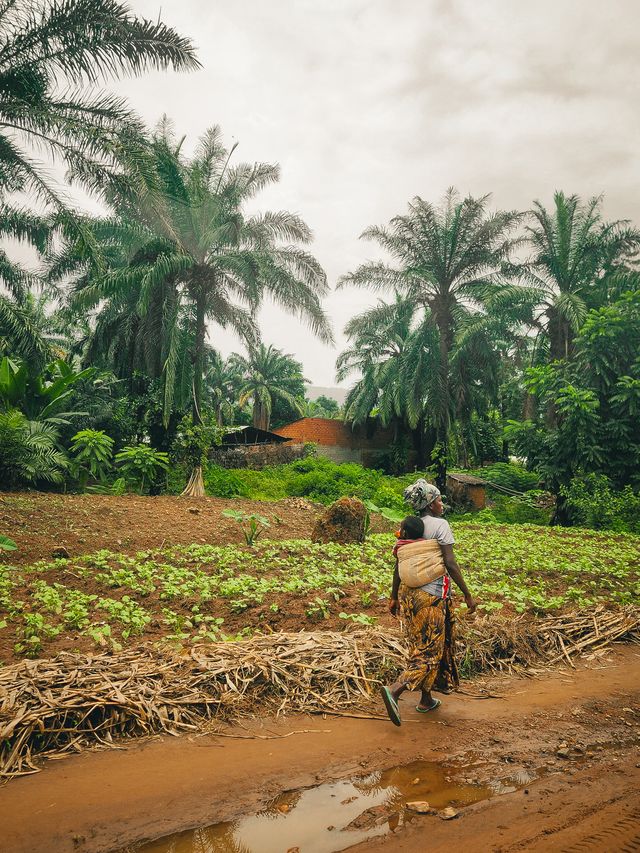
Month three
The trainees harvest and learn how to sell their produce before graduating with practical knowledge for their own farming business.
All journey photography is representative and does not identify programme participants. It is used to protect trainees’ privacy.
Idle hands and empty pockets push young people toward drug abuse, illegal business, and petty crime. Farming replaces that path with purpose: early mornings, living soil, and money earned honestly.
These scenes represent the young people reached through our farming forum — learning by doing, working together and turning practical skills into an honest livelihood.
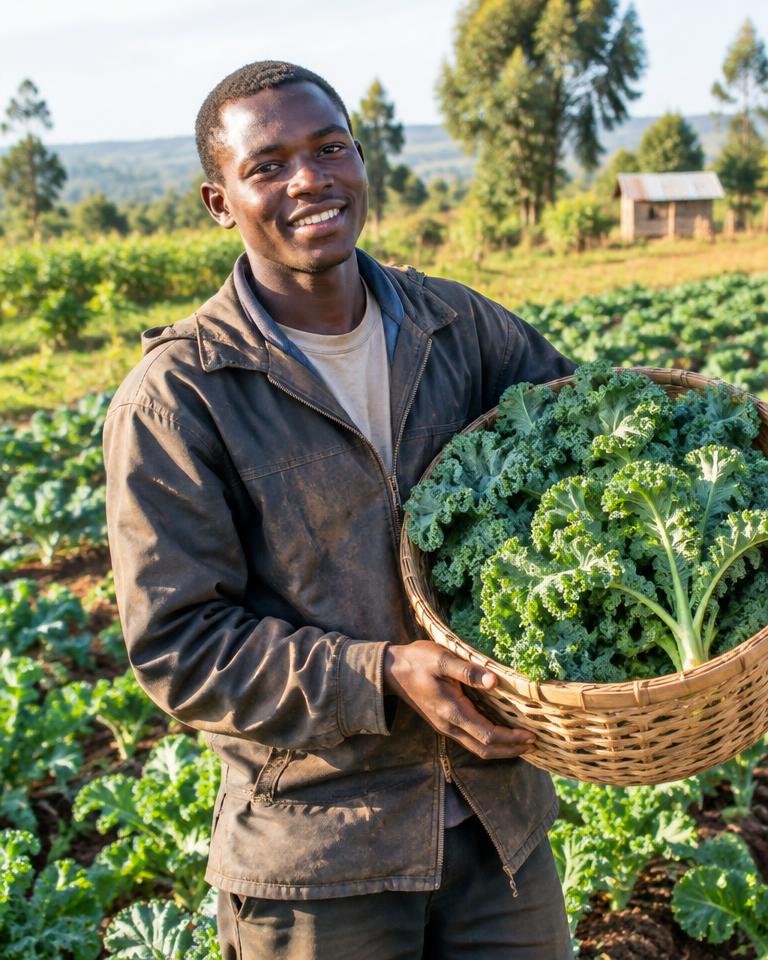
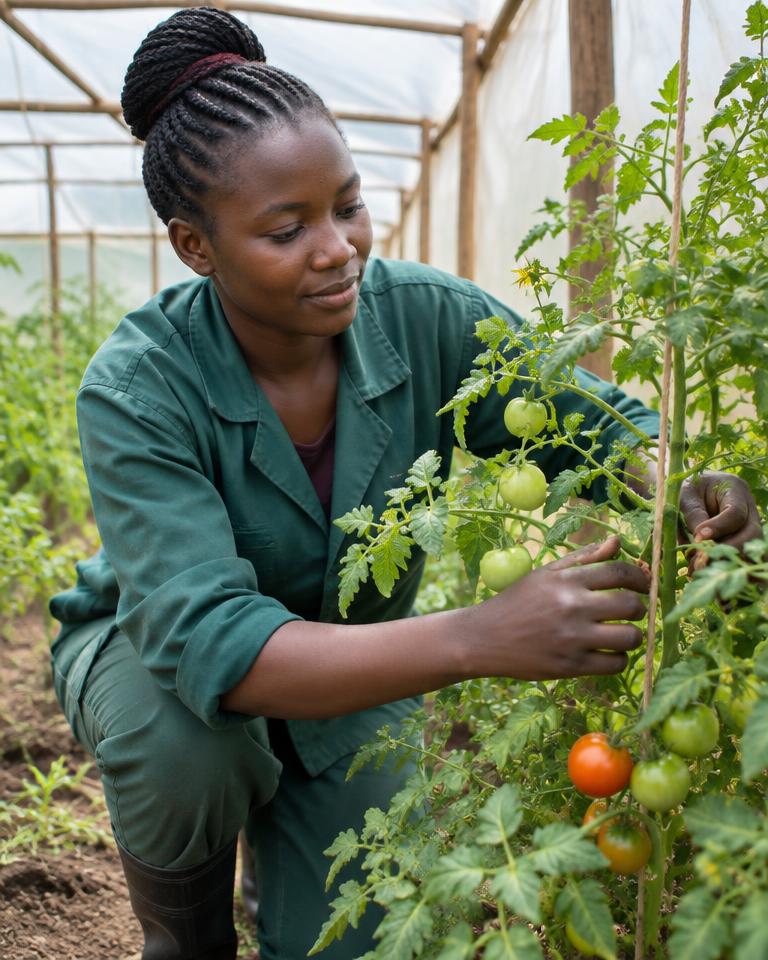
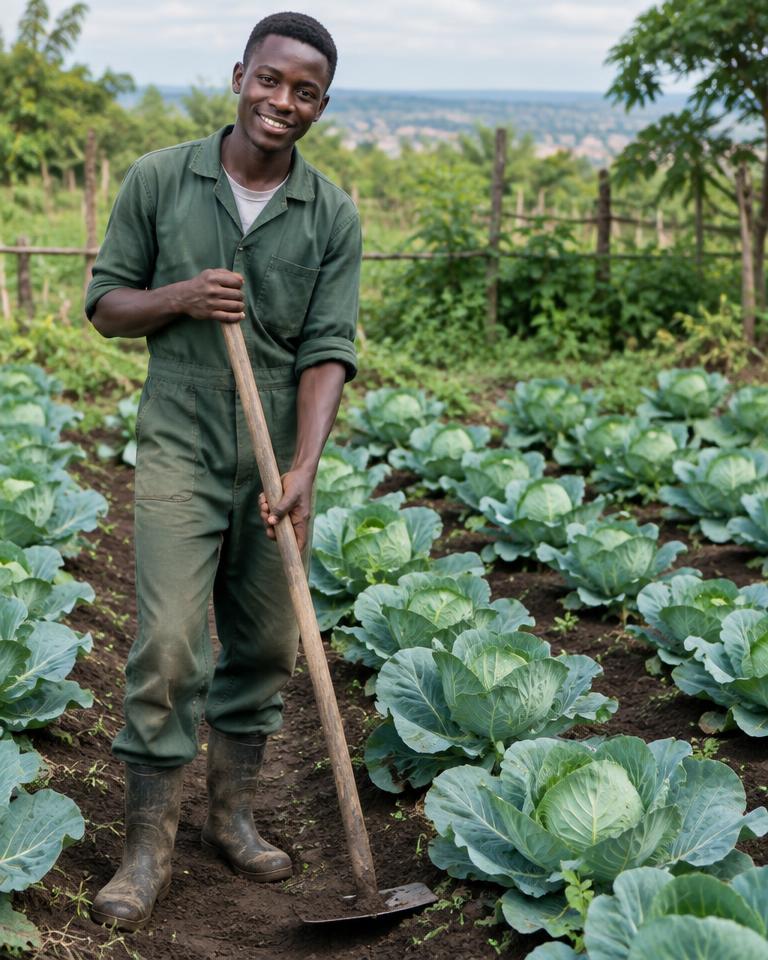
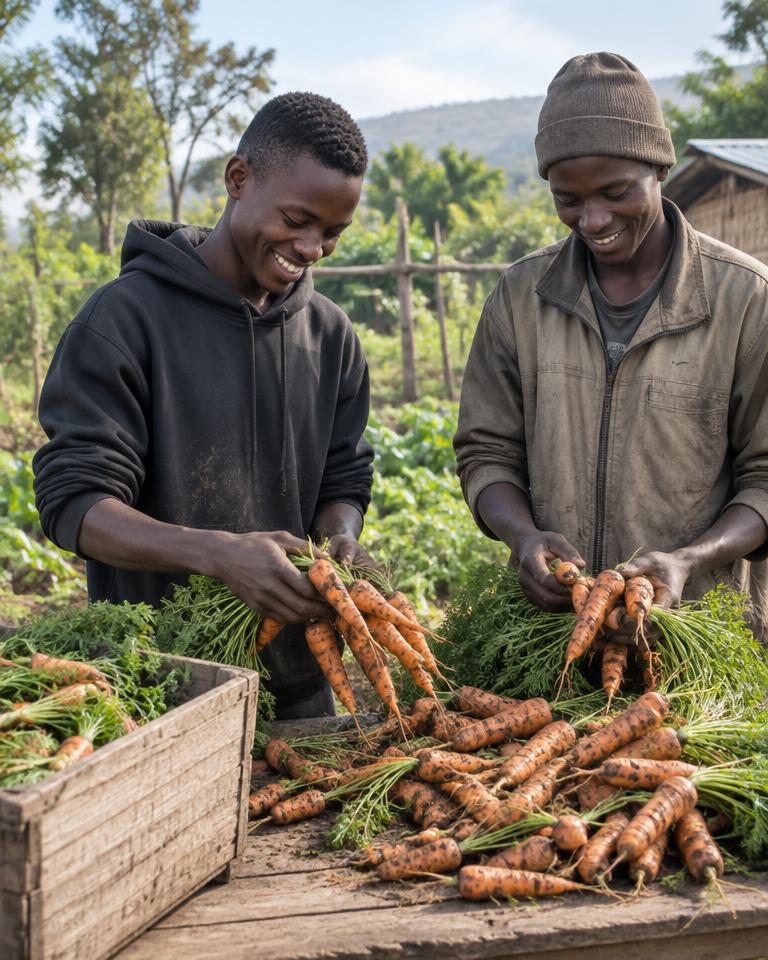
These five project photographs are representative and do not identify programme participants. They are used to protect trainees’ privacy.
Twice a year, we bring young people together for a large-scale project that expands training, puts more land into production and creates a stronger path from the streets to sustainable work.
2 times
every year
KSh 1.5M
needed for each project
Current campaign progress
KSh 300,000 raised of KSh 1,500,000
KSh 1,200,000 remains to fully fund the next project.
Support from well-wishers and NGOs helps cover the full cost of each project.
After a successful harvest and sale, the returns are shared equally among the trainees. Every young person walks away with starting capital — a fair share of the harvest proceeds to launch their own farming business, keep learning, and begin a new life full of hope.
Our random visits help us understand how former trainees’ businesses are growing, where they need encouragement and how farming continues to keep them on a positive path.
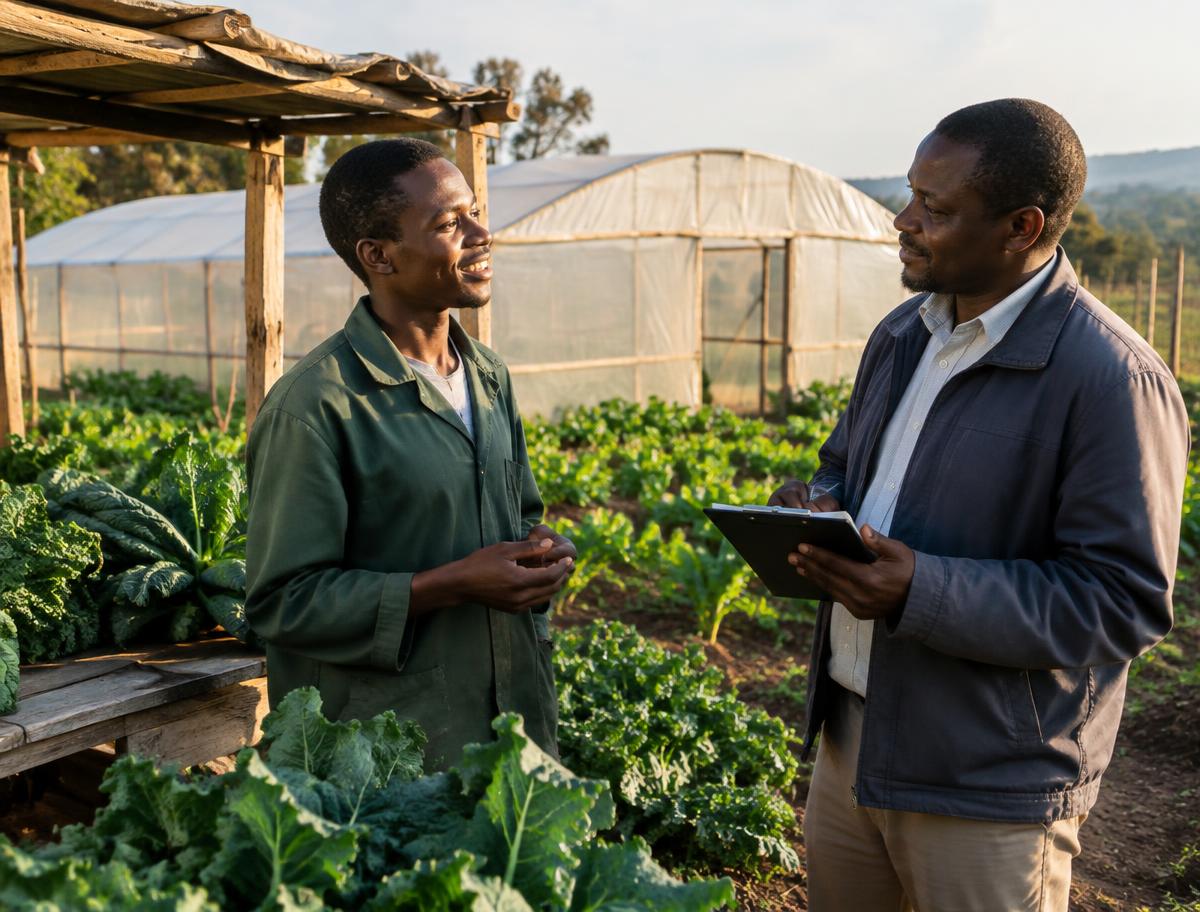
Representative follow-up visit imagery.
Graduate 1
Kale and spinach growing
“My regular harvest now helps me meet daily needs and plan for the next planting season.”
Graduate 2
Seedling nursery
“I raise vegetable seedlings for nearby farmers and keep improving the nursery with every sale.”
Graduate 3
Tomato farming and sales
“The training taught me how to care for tomatoes and find customers instead of waiting for work.”
Graduate 4
Fresh vegetable stall
“Selling vegetables has given me a steady routine, honest income and confidence for the future.”
Graduate 5
Poultry and kitchen garden
“I started small, and I now combine poultry with vegetables to support my growing business.”
Graduate 6
Onion and herb farming
“The follow-up visits encourage me to keep records, solve problems early and continue learning.”
The first names, business descriptions and remarks above are representative aliases based on typical graduate journeys. They are not identifying records and are used to protect trainees’ privacy.
Every donor decides how their support is recognised. We publish donor information only with clear permission.
With your permission, we may recognise your approved name and donation amount on our public donor record. You can ask us to change or remove it later.
Choose public recognitionYour donation is recorded privately for accountability. Your name and donation amount will not be displayed publicly.
Keep my donation privateTell us where we can improve, what we should add, or how our programme can create a stronger future for young people. We welcome ideas from trainees, communities, donors and partners.
We survive on donations from well-wishers and NGOs, who facilitate the smooth operations of this forum. Every contribution goes toward seeds, tools, training, and the daily needs of the young people in our care.
The training is totally free — donations are what make that possible.